Art helped with my rehabilitation and symptom management, and gave me tangible goals to aspire to.
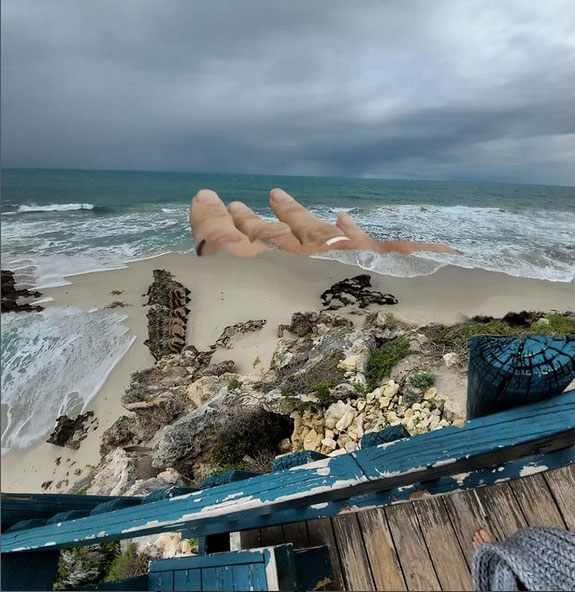
When I first became injured, I was consistently prescribed nature, sunshine and art. Whilst nature and sunshine offered a place for rest, reflection and healing, the recommendation of art was an unexpected gift. As an artist, I embraced making wholeheartedly, gravitating towards media that I felt physically comfortable working in: being fire, metal and jewellery.
Art became a space for my neurorehabilitation, helped with symptom management, gave me tangible goals to aspire to – and most importantly, presented me with an abundance of joy.
When I first became injured, I was consistently prescribed nature, sunshine and art.
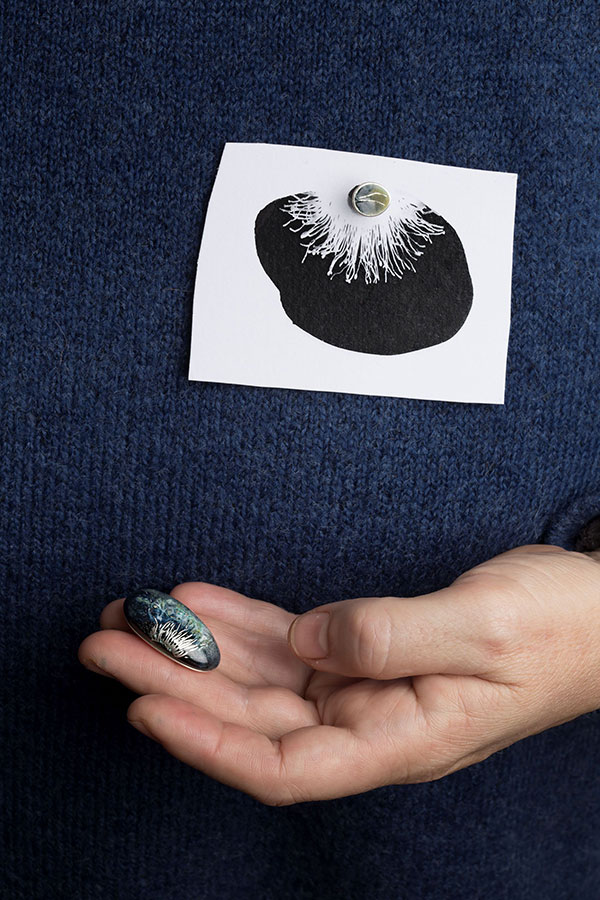
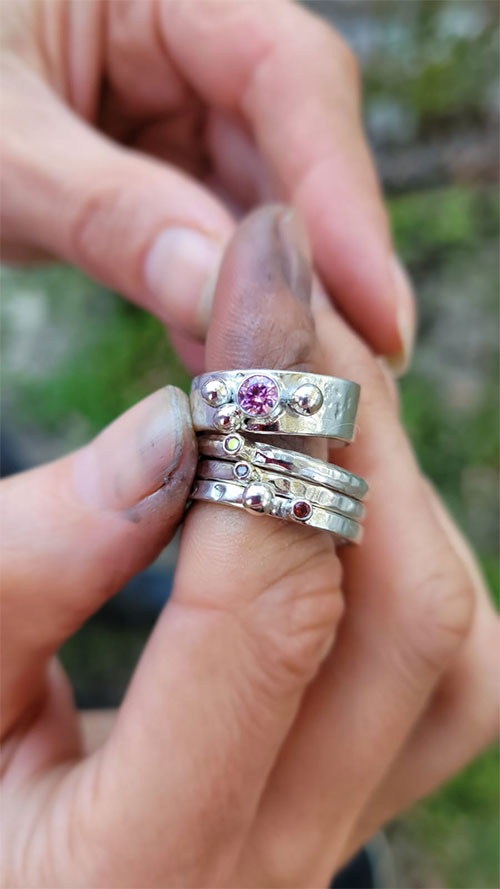
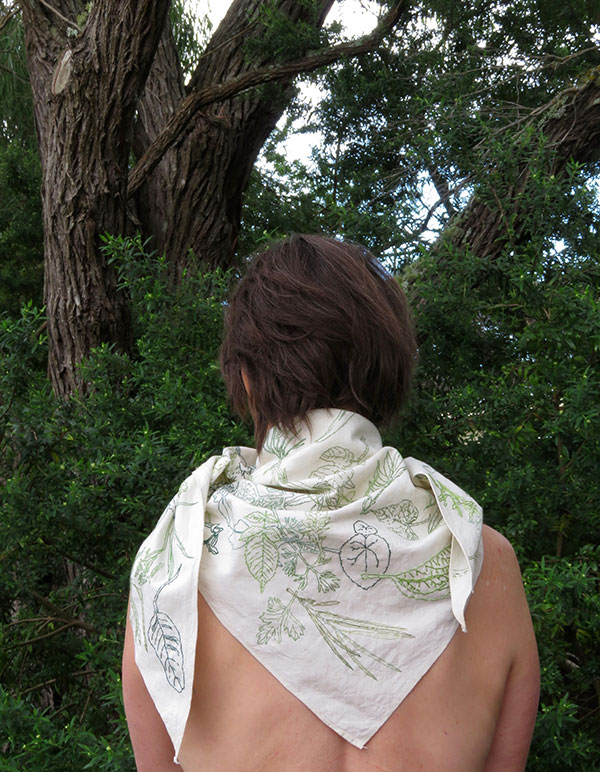
Making beautiful objects presented me with an abundance of joy.
As my journey and disability progressed, I very slowly returned in small fragments to my previous career in curation. Building SICK AF from the floor of my art studio/ office/ healing zone was an act of neural pathway rehabilitation and courage. Making beautiful objects created stillness in my body.
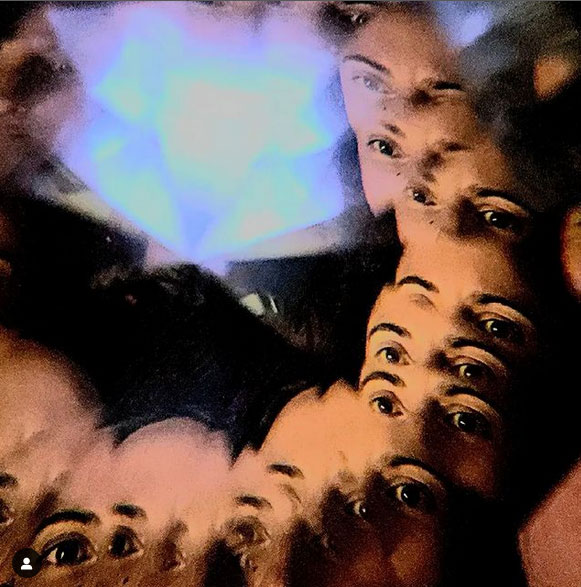
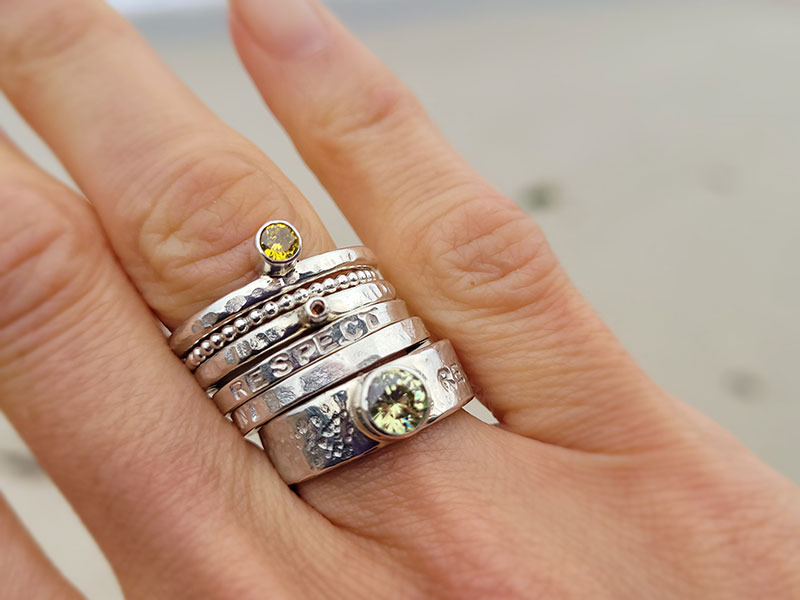
Working alongside the artists and storytellers of SICK AF, I saw commonalities in our experiences. Art was their healing space too. The benefits of art were residing not just in the outcome – but were living in the ‘process‘ – or act of making itself.
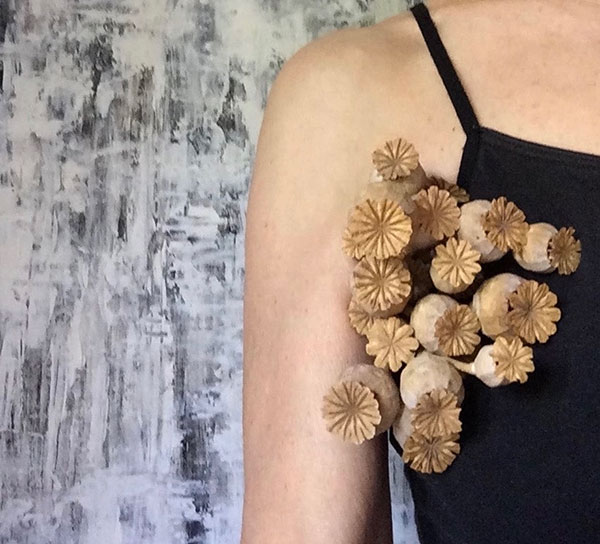
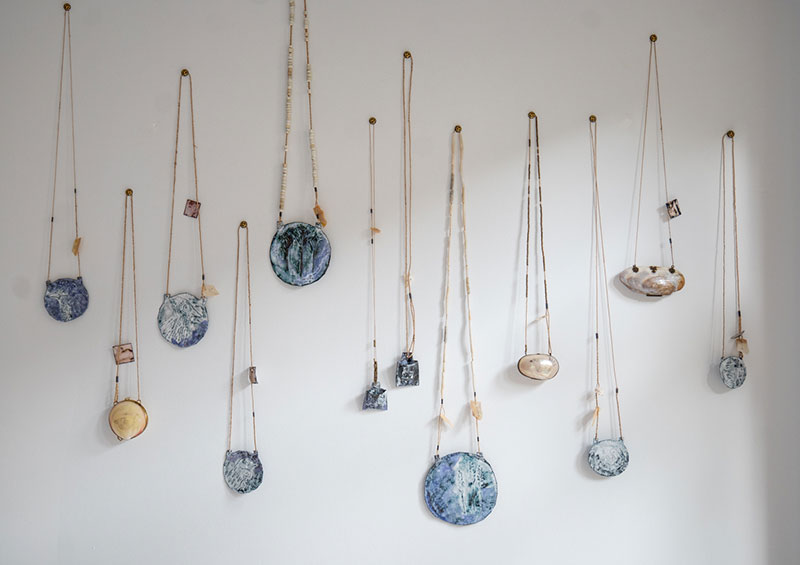
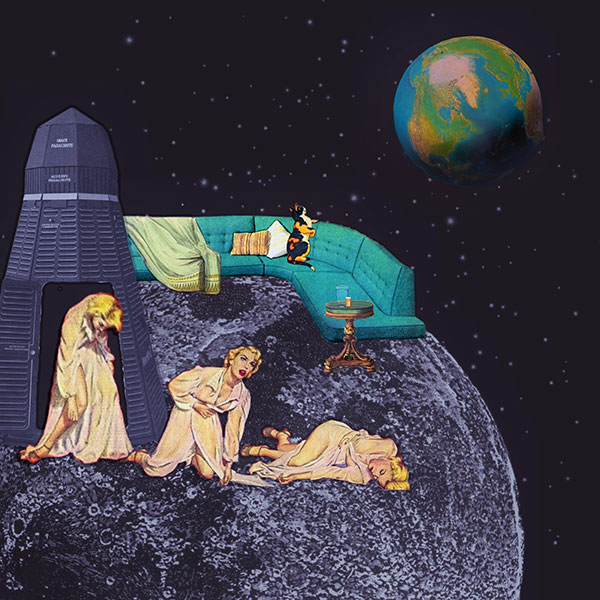
The benefits of art often reside not just in outcome, but live in the ‘process’, or act of making itself.
And there’s science behind this art.
Cognitive & Motor Rehabilitation >
Art-making stimulates neuroplasticity, the brain’s ability to rewire itself, supporting improvements in attention, memory, and executive functioning. Fine motor skills and hand-eye coordination can also strengthen through repeated creative tasks.
Community & Belonging >
Sharing creative work supports social connection and combats isolation. Participating in group art programs can foster validation and peer support in ways clinical care alone may not provide.
Emotional Expression & Processing >
Art provides safe, non-verbal ways to express feelings that may be difficult or overwhelming to articulate. This can support emotional regulation and mental wellbeing.
Improved Health Outcomes >
Across numerous studies, art engagement has been linked with reduced depression and anxiety, increased rehabilitation participation, shorter hospital stays, and enhanced overall wellbeing.
Nervous System Regulation >
Repetitive, sensory activities like drawing, stitching, or sculpting help regulate the autonomic nervous system. These calming actions can reduce stress, anxiety, and trauma symptoms by shifting the body out of a fight-or-flight state.
Pain & Symptom Management >
Focusing deeply on creative work can activate flow states; a focused, immersive experience that reduces the perception of pain and fatigue. This offers temporary relief and supports longer-term coping.
Resilience & Identity Reconstruction >
Making art can help rebuild a sense of self after illness, injury, or diagnosis. It fosters meaning, hope, and a renewed orientation toward the future.
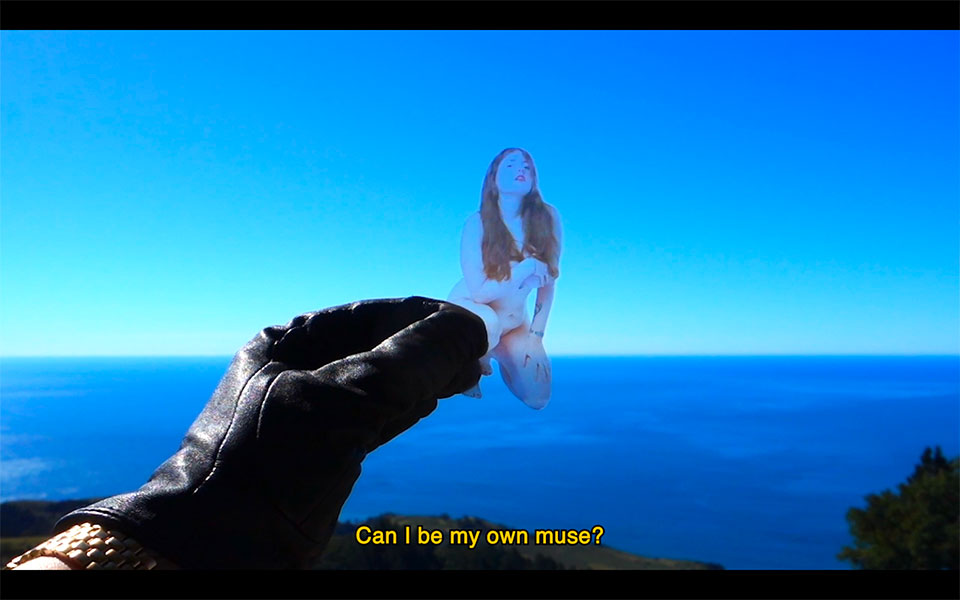
Spiritual & Cultural Healing >
Art can connect people to personal or cultural symbolism, heritage, and spiritual meaning. This holistic dimension supports recovery across mind, body, and spirit.
For the artists in the SICK AF, art making is part of their healing journey. And science supports what many artists have always known – that creativity heals.